Clean The Backrooms Players Hub
Solo pace, friend squads, and server habits that keep cleaning sessions efficient.
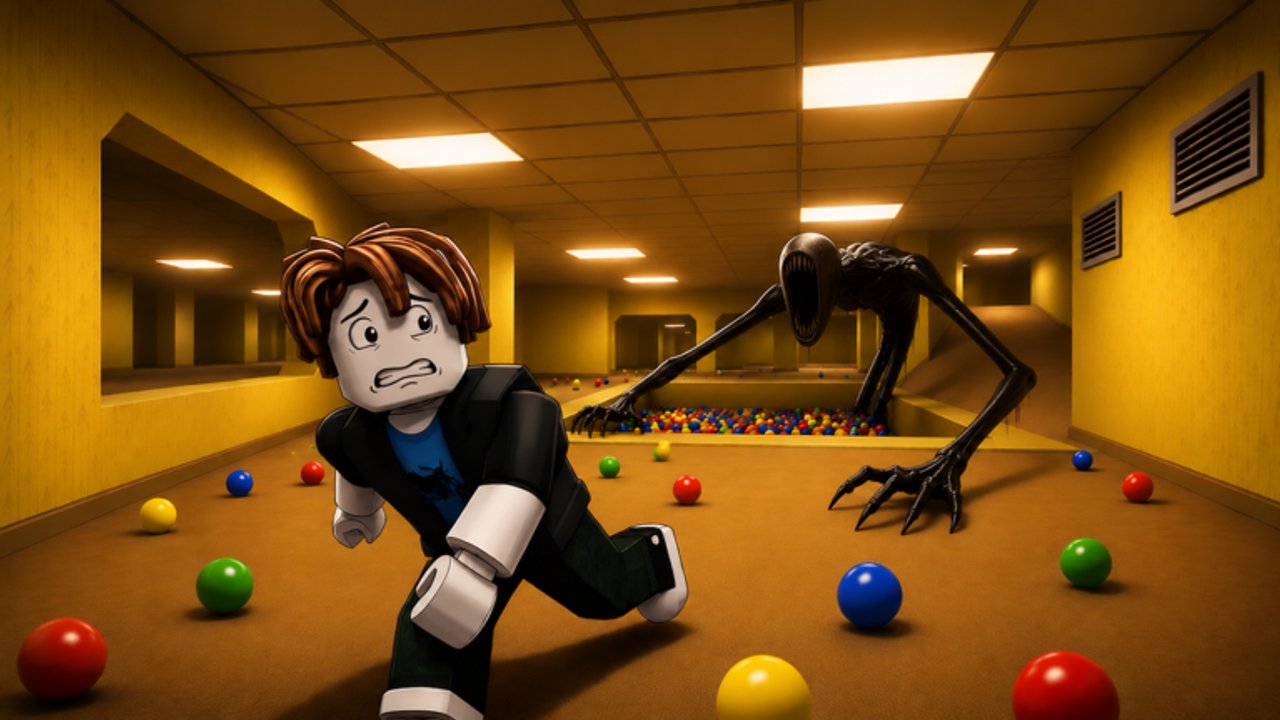
Clean The Backrooms! [Anomaly] supports up to 24 players in a shared yellow maze. Cash comes from cleaning balls into pits, then spending on tools, upgrades, and keys that open new rooms. Whether you queue alone or with a party, the same loop applies—only the coordination changes. This hub covers solo pacing, friend strategies, etiquette, and lights-out communication so your server stays productive instead of chaotic.
New players should start with the Getting Started guide, then skim Keys & rooms, Upgrades, and Survive lights out. For progression priorities, compare options on the Tier list. For official links and studio channels, use the Links Hub.
Solo cleaning strategies
Solo runs are slower but calmer. You control every pit drop, every key buy, and every route through unlocked rooms. Focus early cash on tools that raise clean speed, then bank toward the next key instead of impulse shop purchases. Map a short loop: spawn or lobby → high-density ball areas → nearest open pits → shop → repeat. Avoid wandering into dark, unkeyed wings until you can afford the door and a lights-out plan.
When the anomaly hits and lights fail, solo players should already know a safe fallback path—usually back toward a lit hub, shop, or a room with clear exits. Do not greed a last handful of balls if hunters are active. Surviving with your tools intact matters more than one extra deposit. After the event ends, resume the same loop and convert cash into upgrades that shorten the next cycle.
Solo also means you are the only one unlocking rooms. Track which keys you already bought so you do not double-spend. Prefer rooms that open dense cleaning zones or shortcuts to pits over cosmetic dead ends. If a server feels overcrowded or griefy, hop to a quieter instance; your progress is still tied to what you earn and unlock in that session’s economy and map state.
Group cleaning with friends
Parties shine when you split rooms instead of stacking on the same pile of balls. Assign two or three players per wing, agree who buys the next key, and keep one person near the shop to call out upgrade prices after patches. Shared cash goals—next key, next tool tier, emergency lights-out kit—beat everyone racing the same upgrade.
A simple squad plan:
- One caller names the next unlock target from Keys & rooms.
- Cleaners sweep assigned rooms and deposit into agreed pits.
- A banker or designated buyer handles the shop using Upgrades priorities.
- On lights-out, everyone collapses to a pre-agreed safe room and follows Survive lights out.
Voice chat or Roblox chat both work if callouts stay short. Long debates mid-clean waste more money than a slightly suboptimal upgrade. Rotate who explores new rooms so one person is not always risking the unknown while others farm.
Server etiquette
Public servers mix randoms with different goals. Do not block pits, camp the shop doorway, or steal obvious team key funds if the lobby already agreed on a purchase. If someone is clearly teaching a friend, give them space in a starter wing. Leave tools and interactables usable—griefing cleaning stations hurts everyone, including you, when hunters arrive and the map is under-cleared.
Call outs that help: “buying yellow key,” “lights out—meet lobby,” “pits full on east wing,” “shop restock check.” Call outs that hurt: spam, baiting players into dark rooms, or fake “free codes” links. This wiki tracks Codes honestly; as of late November 2026 there are no confirmed public codes, so treat in-chat code claims as scams until proven in-game.
Communication during lights-out
Lights-out is when coordination matters most. Before the anomaly, pick a rally point everyone can reach without crossing the whole maze. During the event, prioritize location and hunter warnings over loot chatter. After lights return, do a quick headcount and resume room splits—do not all pile into one corridor and ignore open pits elsewhere.
If your group is new, practice one full clean cycle in lit conditions using Getting Started, then deliberately stay together for the first lights-out. Expand to split clears only after everyone survives a few events. Veterans can push farther rooms during lit phases and fall back on the same rally when the anomaly triggers.
How this hub connects to the rest of the wiki
Use this page as the social layer on top of mechanical guides. Mechanics live in Guides; rankings live on the Tier list; patch awareness lives under Updates and Patch notes; scripts and safety notes are on Scripts. Official Roblox destinations sit on the Links Hub. Check Updates after major studio publishes so key costs and anomaly timing have not shifted under your old callouts.
Clean The Backrooms rewards players who treat the map like a shared workplace: clear roles, short callouts, and respect for the pit-and-shop loop. Whether you are solo optimizing routes or running a full friend squad toward the next key, the same habits—split work, bank for unlocks, respect lights-out—keep sessions fun and efficient.
Frequently Asked Questions
Quick answers to the most common questions.
Is Clean The Backrooms better solo or with friends?
Both work. Solo is calmer for learning routes and shop pacing; friends are faster when you split rooms and assign a key buyer. Start with Getting Started, then try a small party.
How should friends split rooms?
Give each player or duo a wing, agree on pit routes, and nominate one shop buyer. See Keys & rooms for unlock order and Upgrades for spend priority.
What should we say during lights-out?
Keep callouts short: rally point, hunter direction, and who is down. Full tactics are in Survive lights out.
How many players can join one server?
Servers support up to 24 players. Larger lobbies need clearer room splits and etiquette so pits and the shop stay usable.
Where do we track game changes that affect team plans?
Use the Updates Hub and Patch notes after Playroom Studio publishes. Re-check key prices and anomaly behavior before long friend sessions.